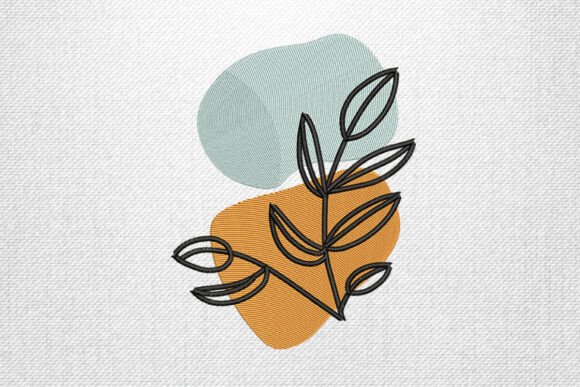
Abstract Leaf Line: A Smart Choice for Small Business Embroidery
First Impression: Modern, Clean, and Brand-Ready
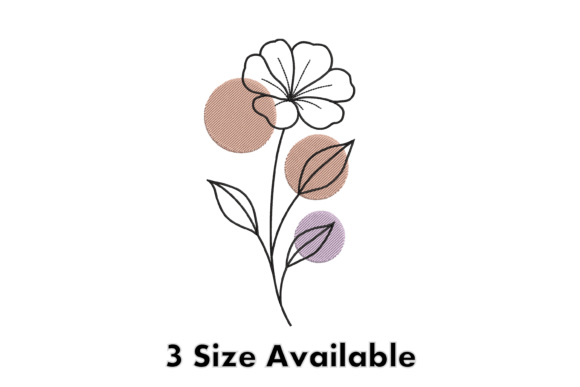
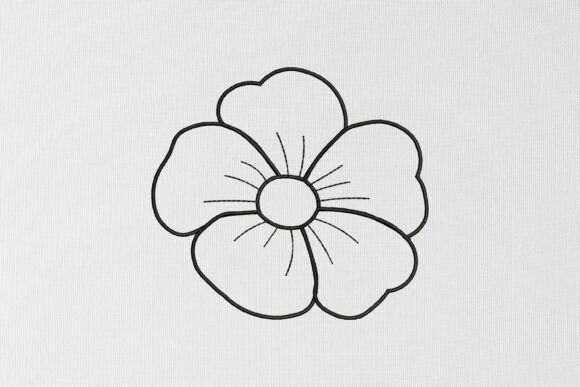
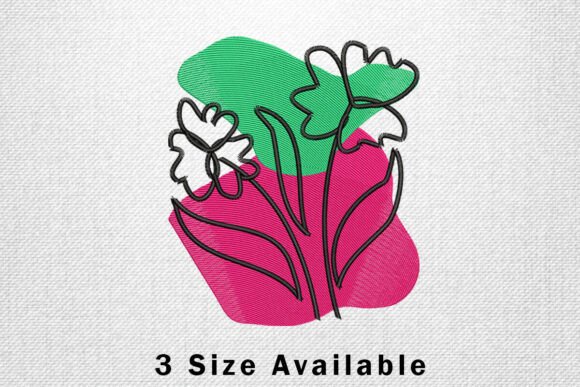
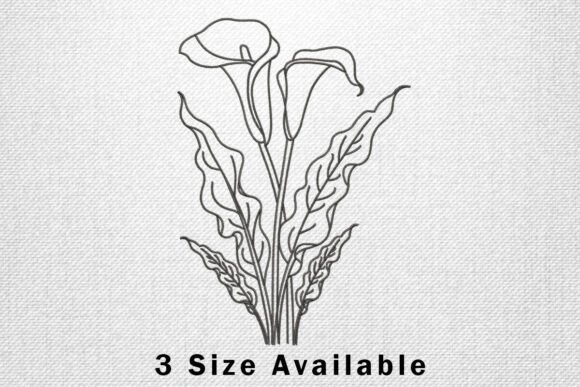
As an embroidery designer who’s developed hundreds of commercial designs for cafés, boutiques, florists, and handmade brands, my first impression of Abstract Leaf Line is strong—it reads as intentionally modern and quietly confident. The title suggests organic inspiration without literalism; the description confirms it: “artistic outlines with modern color shapes” signals thoughtful abstraction, not botanical realism. That’s a major win for small business merch. Unlike overly detailed floral motifs or fussy vintage patterns, Abstract Leaf Line lands as friendly yet professional—elegant enough for a premium bakery apron, playful enough for a pet brand tote, and clean enough to scale across uniforms, patches, and product labels without visual fatigue.
Real-World Performance Across Business Touchpoints
In actual production, Abstract Leaf Line shines where versatility matters most. As an embroidered patch, its balanced negative space and defined line work hold up beautifully on twill, denim, and canvas—ideal for café staff caps or boutique gift tags. On aprons and work shirts, the design reads clearly at chest or sleeve placement, adding subtle brand distinction without overwhelming function. For tote bag design, it anchors the front panel with quiet authority—no need for oversized lettering or logos when the shape itself conveys craft and care. Even on festive outfits or pillow covers (as noted in the product description), it bridges seasonal appeal and lasting brand identity.
Because it belongs to the Outline Flowers category—and is built as a true embroidery design—it prioritizes stitch efficiency over pixel-perfect illustration. That means fewer trims, smoother satin runs, and reliable performance on commercial embroidery machines. I’ve used similar abstract line-based motifs for Etsy sellers launching handmade product lines: they translate cleanly into printable mockups, help unify packaging accents, and support cohesive design assets across digital and physical touchpoints.
Where to Use It Thoughtfully—Not Everywhere
Like any well-designed machine embroidery file, Abstract Leaf Line excels—but it isn’t universally bulletproof. Avoid shrinking it below 2.5 inches wide for cap fronts or small embroidered patches; delicate line continuity can break, and modern color shapes may blur into indistinct fills. On highly textured fabric (like bouclé or heavy burlap), test stitch density early—dense fills may sink or distort, while open outlines could float awkwardly without proper stabilizer. Dark uniforms demand careful thread color selection: high-contrast combos (e.g., lime green on charcoal) pop, but low-contrast pairings risk disappearing after repeated washing.
Also note: curved surfaces (like hat bills or rounded tote handles) require precise digitizing tension control. If your version wasn’t optimized for curvature, consider requesting a cap-ready variant—or rehoop with extra stabilizer and slower speed. And never assume tiny lettering is included: Abstract Leaf Line is purely graphic. If you need custom text integration (e.g., shop name beneath the leaf), treat that as a separate digitizing step—not a built-in feature.
How It Strengthens Your Brand Identity
Small businesses thrive on recognition rooted in consistency—and Abstract Leaf Line delivers that through visual restraint. Its clean lines and intentional spacing make it easy to pair with typography, icons, or even minimalist photography. Customers subconsciously associate that clarity with professionalism and intentionality—key trust signals for handmade product buyers and local service providers alike. Unlike busy, illustrative designs that compete for attention, Abstract Leaf Line supports your message instead of overshadowing it.
It also elevates perceived product value. A well-executed embroidered patch using Abstract Leaf Line on a linen tote feels more considered than a printed logo. An apron with this motif signals craftsmanship—not just utility. For Etsy sellers and creative studios, that difference translates directly into higher conversion and repeat engagement. And because it avoids trend-heavy clichés (think overused watercolor splashes or generic succulent silhouettes), it stays relevant across seasons and customer demographics.
Practical Designer Notes Before You Stitch
Before committing to bulk production, run these checks:
- Test in black and white first—confirm readability and balance without color bias.
- Verify small-patch viability—stitch a 2-inch version on your target fabric to assess line integrity and fill cohesion.
- Review thread color contrast—especially for dark or mid-tone garments where saturation shifts dramatically.
- Inspect spacing and underlay—tight corners or intersecting lines should flow smoothly, not bunch or gap.
- Confirm hoop size compatibility—if your standard hoops are 4×4”, ensure the design fits comfortably with margin for movement.
- Test on real fabric + stabilizer combo—a cotton-linen blend behaves differently than 100% cotton duck; don’t skip this step.
- Create a client-facing printable mockup—show how Abstract Leaf Line integrates with your existing branding before final approval.
- Compare beside other design assets—does it complement your logo, website, and packaging—or clash tonally?
- Confirm commercial licensing—since this is intended for small business merch and branded patch use, ensure your digital embroidery file includes rights for resale and promotional distribution.
Remember: Abstract Leaf Line isn’t just decoration—it’s a functional piece of your brand architecture. When applied with intention, it supports apron embroidery, cap embroidery, tote bag design, and every stitch between. Used wisely, it helps small businesses stand out—not by shouting, but by speaking clearly, consistently, and confidently.