Coquette Daisy Line Art Embroidery
A Designer’s Real-World Review for Personalized Gift Makers
As an embroidery designer who’s developed over 300 machine embroidery designs for small shops, Etsy sellers, and boutique gift brands, I test every file not just for stitch accuracy—but for gift readiness. When I opened the Coquette Daisy Line Art Embroidery file, my first thought wasn’t “Will it stitch?” but “Who will *love* this—and why?” That’s how I approach every design meant for personalized gifts: through the eyes of the customer holding a baby blanket, unrolling a kitchen towel, or tucking a wedding keepsake into a gift box.
First Impression: Playful Charm with Quiet Sophistication
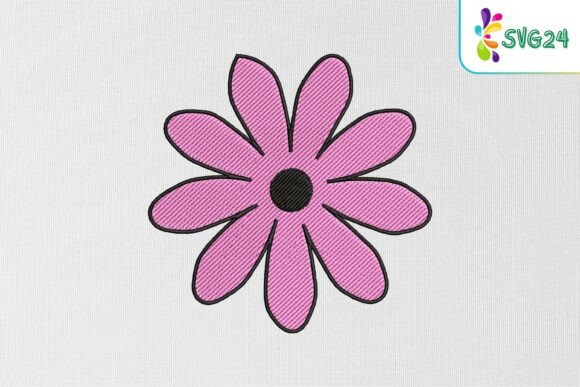
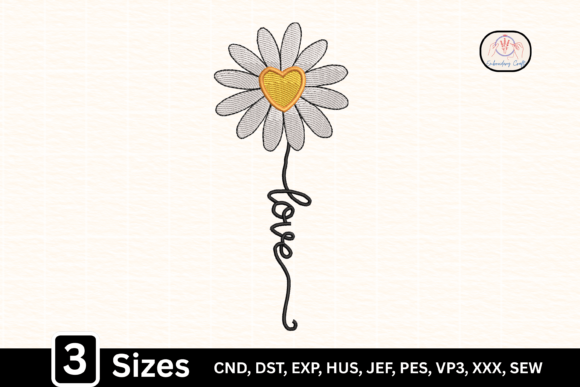
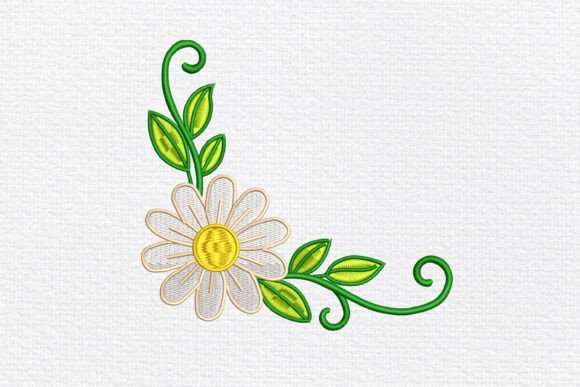
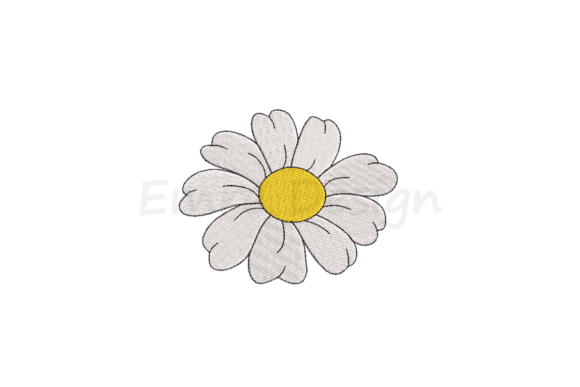
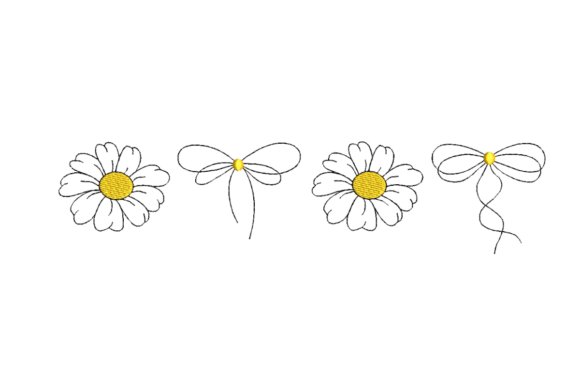
The Coquette Daisy Line Art Embroidery lands somewhere between whimsy and refinement—sweet but never cloying, delicate but not fragile. Its line art style gives it breathing room: no heavy fills, no dense satin borders. Instead, you get clean, confident outlines tracing daisy petals, slender stems, and a subtle curl in the leaves that hints at movement. It feels handmade—not because it looks imperfect, but because it invites interpretation. A customer choosing this for a nursery isn’t buying “a flower”; they’re choosing lightness, optimism, and gentle femininity. It reads as modern (thanks to its minimalist structure), yet timeless enough for heirloom pieces like quilted blankets or linen pillow covers.
Where This Design Truly Shines
Coquette Daisy Line Art Embroidery is especially strong for products where emotional resonance matters more than bold visual impact:
- Baby embroidery: Stitched on organic cotton swaddles or muslin loveys, its airy lines avoid overwhelming tiny proportions—and won’t irritate sensitive skin.
- Wedding gifts: Think monogrammed linen napkins or hand-stitched guest book covers—this daisy adds romance without cliché.
- Nursery decor: On a neutral-toned pillow cover or canvas wall hanging, it whispers rather than shouts—perfect for curated, calm spaces.
- Embroidered towel: Works beautifully on flour-sack or waffle-weave towels, where the design stays legible even after repeated washing.
- Custom tote bags & aprons: Its scale adapts well to side panels or lower hems, giving handmade products quiet distinction.
- Etsy seller listings: The line art aesthetic photographs cleanly against white or soft-toned backdrops—ideal for scroll-stopping product thumbnails and printable mockups.
Use With Intention—Not Everywhere
This isn’t a one-size-fits-all embroidery file—and that’s a strength, not a limitation. Use Coquette Daisy Line Art Embroidery thoughtfully:
- Avoid tight curves or stretchy fabrics like ribbed baby onesies—the continuous line relies on stable fabric tension to hold shape.
- Test before stitching on thick, textured fabric (e.g., heavy terry cloth or bouclé). Dense pile can blur fine lines; consider slightly enlarging the design or adding light underlay.
- Dark fabric demands contrast: On navy or charcoal, use bright ecru, blush, or mustard thread—not ivory. Always check thread colors against your base fabric in natural light.
- Small lettering? Skip it. There’s no text built in—and trying to add custom monograms within the same hoop risks overcrowding the delicate balance.
- Frequent-wash items (like dish towels or kids’ blankets) need proper stabilizer: tear-away for stable weaves, cut-away for knits or loosely woven linens.
Why It Elevates Your Handmade Product—Beyond Aesthetics
For small shop owners and Etsy sellers, Coquette Daisy Line Art Embroidery does more than decorate—it builds trust. Customers browsing personalized gifts scan for authenticity and care. A crisp, intentional line art motif signals craftsmanship, not clipart. It tells them: This wasn’t slapped on; it was chosen with meaning.
That perception lifts perceived value instantly. A $28 embroidered kitchen towel feels like a considered gift—not a generic promo item. On social media or email campaigns, it encourages engagement: customers tag friends (“This reminds me of you!”), save pins for future baby showers, or request matching sets (towel + pillow cover + onesie). And because it sits comfortably in the Single Flowers Plants category without leaning seasonal, it supports year-round inventory—not just spring launches.
Practical Notes Before You Stitch
Before adding Coquette Daisy Line Art Embroidery to your next batch of custom orders, run these checks:
- Test on scrap fabric—same type and color as your final product—to confirm clarity and thread flow.
- Confirm hoop size compatibility. If your machine uses smaller hoops (e.g., 4x4”), verify the design fits—or plan for re-hooping.
- Review stitch density. Line art files should be light, but some digitizers over-compensate with extra passes. Zoom in: do lines look smooth or jagged?
- Match stabilizer to fabric texture. Lightweight cut-away prevents puckering on knits; medium-weight tear-away gives clean removal on stable cottons.
- Compare light/dark fabric mockups in your listing photos—customers need to visualize both options.
- Check small details post-stitch: Are petal tips sharp? Does the stem taper cleanly? Any stray thread nests?
- Verify commercial licensing before selling finished products. Since this is a digital embroidery file intended for handmade product creation, confirm usage rights align with your business model—especially if you’re a wedding gift designer or baby product creator scaling beyond craft fairs.
Final Thought: A Quiet Signature for Meaningful Gifts
Coquette Daisy Line Art Embroidery won’t shout from a crowded Etsy homepage—but it will linger in a new mother’s hands as she folds a freshly embroidered blanket, or catch a bride’s eye when tucked inside a handmade favor box. It’s the kind of embroidery file that doesn’t chase trends but supports them: adaptable across baby embroidery, wedding gift, and home decor applications, grounded in simplicity, and elevated by intention. For makers who believe personalized gifts should feel human—not hurried—this design isn’t just stitched. It’s chosen.