Flower Elements: A Craft Fair Designer’s Honest Review
First Impression: Quirky Charm Meets Handmade Appeal
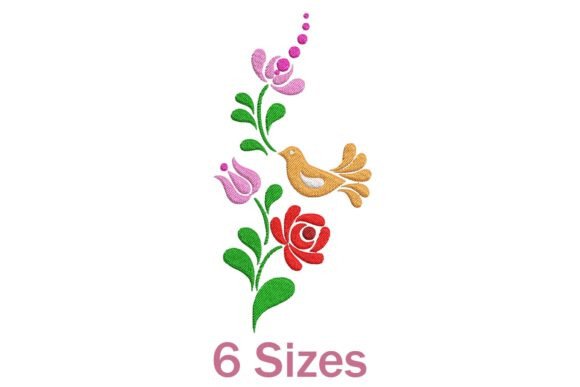
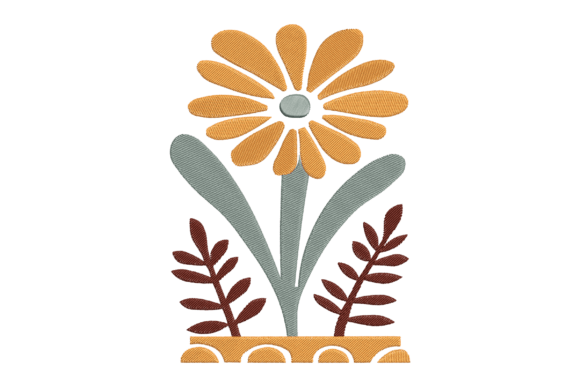
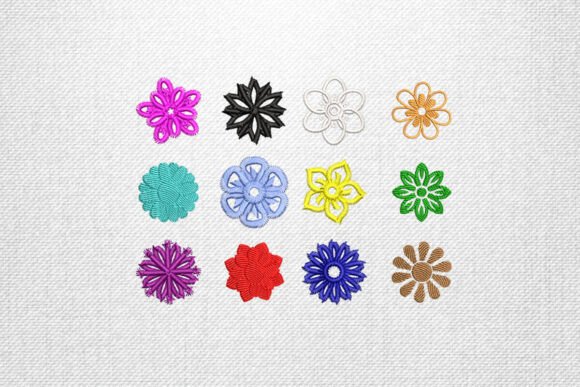
“Flower Elements” lands exactly where it should — light, joyful, and quietly confident. It doesn’t scream “vintage rose” or “botanical textbook.” Instead, it feels like a hand-drawn sketch brought to life in thread: playful but precise, modern but warm. As an embroidery designer who’s prepped over 200 craft fair booths, I immediately recognize this tone — it’s the kind of machine embroidery design that draws eyes without shouting, invites touch without demanding attention, and fits seamlessly into both farmhouse kitchens and minimalist boutiques. It leans into “fun and quirky,” yes — but with enough structure and balance to avoid feeling childish or fleeting.
Where Flower Elements Shines on Real Craft Fair Products
In my booth setup — embroidered tote bags, linen aprons, cotton tea towels, denim pouches, canvas pillow covers, and iron-on patches — Flower Elements performed strongest as a small-to-mid-scale accent. On a natural linen tote bag? Perfect at 3.5" wide — clean, legible, and full of personality. On a chef-style apron pocket? Ideal at 2.75", especially when paired with subtle topstitching. As tea towel embroidery, it held up beautifully on medium-weight cotton terry — the open elements let the fabric breathe, and the design didn’t overwhelm the utility of the towel.
It also translated well to embroidered patch format (heat-seal or sew-on), offering quick customization for customers shopping for handmade gifts. On structured caps? Use caution — the design’s slight asymmetry and organic line work can distort on curved surfaces unless digitized for low-profile stitching. For apron embroidery, I’d place it just above the waistband on the left chest — not too high, not too centered — letting it feel intentional, not templated.
What Makes It Sell — and What Slows It Down
What sells: Its visual clarity at a glance. At 6 feet — the average booth browsing distance — Flower Elements reads instantly as floral, friendly, and finished. That’s gold for craft fairs. It photographs cleanly for Etsy listings, especially against neutral backgrounds; no heavy shadows or stitch bleed muddying the edges. And because it’s a single-flower motif (not a bouquet or wreath), it scales gracefully — from 1.5" on a keychain pouch to 4.25" on a market bag without losing charm.
What slows production: Tiny interior loops and fine stem details mean stitch density matters. On textured towels or thick denim, under-stabilizing leads to puckering or lost definition. And while it’s not letter-heavy, any delicate petal tips or thin vine connectors will vanish below 1.75" — so skip it for tiny lapel pins or micro-patches unless you’ve tested it first. Also: avoid dark fabrics unless your thread colors are high-contrast — pastel pinks or mint greens disappear fast on navy or charcoal without careful selection.
Booth Impact & Buyer Engagement
This isn’t a “wall-hanging centerpiece” design — it’s a conversation starter. When I stitched Flower Elements onto three matching tea towels (cream, sage, and oat), customers consistently paused, pointed, and asked, “Is that all one design?” That’s the power of cohesive simplicity. It reinforces handmade quality because it looks intentional, not clip-art. It strengthens brand consistency across product lines — same motif, different applications — helping buyers remember your booth beyond the weekend.
For Etsy sellers and small shop owners, Flower Elements works beautifully in printable mockups. Its clean outlines and balanced negative space render crisply in digital previews, boosting perceived value before the first stitch is made. As a digital embroidery file, it’s versatile enough to support multiple product categories — Single Flowers Plants shoppers will love it, but so will gift buyers looking for cheerful, gender-neutral accents.
Practical Designer Notes Before You Stitch
- Always test on scrap fabric — especially if using textured towels, chambray, or double-layered pouches.
- Check thread colors against your base fabric in natural light — monitor screens lie.
- Review spacing between elements — tight loops or overlapping stems may need manual digitizing tweaks for dense fabrics.
- Confirm hoop size compatibility with your machine and most-used hoops (e.g., 4x4 or 5x7). Don’t assume.
- Inspect stitch density: if the center bloom feels overly dense, consider reducing fill percentage by 5–8% for breathable fabrics.
- Use cutaway stabilizer for knits or stretchy fabrics; tear-away works well for stable cottons and linens.
- Create at least one real mockup — not just a digital preview — before listing or packing for market day.
- Compare how Flower Elements looks on light vs. dark fabric swatches — contrast changes mood dramatically.
- Verify commercial embroidery rights — this is a machine embroidery design, but licensing terms determine whether you may sell finished products. Never assume.
Final Thought: A Reliable Workhorse for Creative Entrepreneurs
Flower Elements won’t replace your signature monogram or best-selling sunflower set — but it fills a vital gap: the go-to, low-risk, high-charm accent for craft fair product variety. It’s easy to explain (“a sweet little floral motif”), simple to produce in batches, and flexible enough for handmade product storytelling — whether you’re an Etsy seller bundling embroidered tea towels and patches, a boutique maker refreshing seasonal pillow covers, or a Cricut + embroidery hybrid crafter building design assets.
In short: it’s not flashy. It’s thoughtful. It’s saleable. And in the crowded world of handmade markets, that quiet reliability is rarer — and more valuable — than you think.