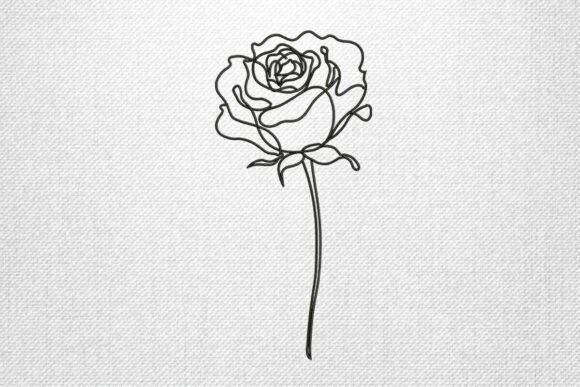
Single Line Rose: A Craft Fair Designer’s Real-World Review
First Impression: Whimsical, Minimal, and Instantly Recognizable
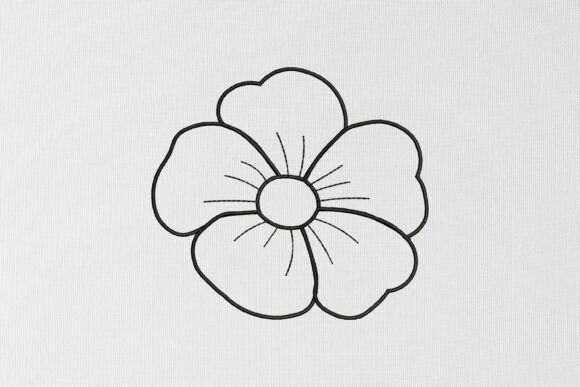
As an embroidery designer who’s prepped over 200 craft fair booths—and watched which designs stop customers mid-aisle—Single Line Rose lands with quiet confidence. It’s not bold or ornate; it’s playful and whimsical, exactly as described. That “single line” quality gives it modern minimalism without feeling sterile. It reads as handmade, not digital—soft in motion, elegant in restraint. It doesn’t scream “farmhouse” or “festive,” but it *fits* both. On a chalk-painted market table beside linen tea towels and canvas totes, Single Line Rose feels intentional, calm, and refreshingly uncluttered.
Where It Shines: Product-by-Product Reality Check
In my booth setup—featuring embroidered tote bags, aprons, tea towels, patches, fabric pouches, pillow covers, and small gift-ready items—Single Line Rose performs strongest where simplicity reads as sophistication:
- Tote bag design: Centered on the lower right corner of a natural canvas tote, it reads cleanly from 6 feet away. No competing graphics needed—just one rose, balanced and airy.
- Apron embroidery: Placed just above the pocket on a denim or oatmeal linen apron, it adds charm without overwhelming function. Customers consistently pause here—especially makers and bakers who value understated craft identity.
- Tea towel embroidery: On tightly woven cotton or waffle-weave towels, the single-line flow follows fabric texture beautifully. It avoids the “stiff” look common with dense floral motifs—critical for kitchen-focused buyers.
- Embroidered patch: As a sew-on or iron-on patch, Single Line Rose scales down to 1.5" with clarity. Its continuous line translates well to backing and edging—no floating threads or fragile stems.
- Fabric pouch & pillow cover: Works equally well as a subtle corner accent or centered focal point. Because it lacks fill stitches, it lies flat and drapes naturally—no bulk, no stiffness.
What Holds It Back (and How to Fix It)
Not every surface welcomes Single Line Rose equally. As a working embroidery designer, I’ve seen this design lose impact—or even vanish—when misapplied:
- Curved cap surfaces: The line can distort or thin unpredictably near the crown seam. Test stitch on scrap caps first—and consider simplifying placement to the front panel only.
- Textured towels (terry, looped cotton): The single line may disappear into pile unless you increase underlay or use a lightweight cutaway stabilizer. Always test on your exact towel stock.
- Dark fabric: On navy, charcoal, or black, thread contrast becomes critical. A soft ecru or pale blush thread reads better than stark white—it preserves the whimsy without glare.
- Small sizes (<1"): The delicate curve of the stem and petal loop risks stitching inconsistency. Avoid shrinking below 1.25" unless your machine handles fine detail reliably.
Selling Smarter: Visual Appeal, Batch Flow, and Online Conversion
At a craft fair, attention is measured in seconds. Single Line Rose wins because it’s instantly legible—even at arm’s length—and emotionally resonant: gentle, confident, hand-drawn. It photographs exceptionally well for Etsy listings and printable mockups: clean lines translate crisply to screen, and its minimalism keeps focus on fabric texture and thread sheen.
For batch production? It’s a dream. Low stitch density means faster run times, less thread waste, and consistent results across 50+ tea towels or 30 pouches. There are no nested fills, no color changes mid-design, and no tiny lettering or dense satin borders to snag or blur. That repeatability builds trust—not just in your process, but in your brand consistency.
On your booth display, pair Single Line Rose with neutral fabrics and curated thread palettes (think sage + oatmeal, dusty rose + cream, or slate + ivory). It elevates the perceived value of your handmade product without shouting—making it ideal for boutique makers and small shop owners who sell lifestyle, not just stitchwork.
Designer Notes You Can’t Skip Before Production
This isn’t just about loading a file and hitting start. As someone who’s re-hooped, re-stabilized, and re-shot mockups more times than I can count—here’s what must happen before your craft fair table opens:
- Test the machine embroidery design on scrap fabric that matches your final product—same weight, weave, and finish.
- Check thread contrast against at least three fabric colors. What works on ivory may vanish on heather gray.
- Review spacing and proportions in your embroidery software—does the stem clear seams or pockets? Does it sit comfortably within your standard hoop size?
- Inspect stitch density manually. Even “single line” files can include unnecessary underlay or jump stitches—trim where possible.
- Use the right stabilizer: lightweight cutaway for knits, tear-away for stable wovens, and ultra-sheer for sheer fabrics.
- Create at least one real-world mockup—not just a digital preview. Hold it in natural light. Drape it. Fold it. See how it moves.
- Compare how Single Line Rose looks alongside your other bestsellers. Does it support your overall aesthetic—or dilute it?
- Confirm commercial licensing status before selling finished products. This digital embroidery file must be cleared for resale as part of your craft fair product or Etsy listing.
Final Thought: Less Is the Right Amount
In a market saturated with maximalist florals and over-digitized motifs, Single Line Rose stands out by doing less—and meaning more. It’s not flashy, but it’s memorable. Not complicated, but deeply considered. As an Outline Flowers design in the Embroidery category, it proves that a single, graceful line can carry intention, quality, and quiet appeal. For Etsy sellers, Cricut crafters, and handmade entrepreneurs building a cohesive, scalable line—it’s not just another embroidery file. It’s a reliable, repeatable, revenue-ready asset. Just remember: its power lies in precision, not padding. Stitch it right—and watch it bloom on your next craft fair table.