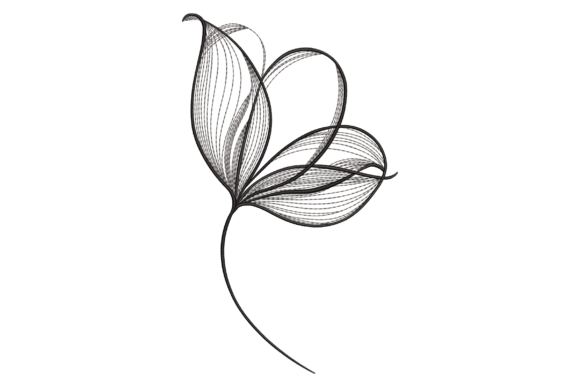
Minimal Line Flower
A Craft Fair Designer’s Real-World Review Before Booth Day
As someone who’s stitched, sold, and restocked over 200 craft fairs—and watched which designs stop shoppers mid-aisle—I opened Minimal Line Flower with quiet curiosity. Not hype. Not hope. Just experience. And within three seconds of scanning the name and description—“Give your fabrics a charming update… fun and quirky flair”—I knew this wasn’t a loud, festival-style bloom. It’s soft-spoken. Intentional. A whisper in a room full of shouts.
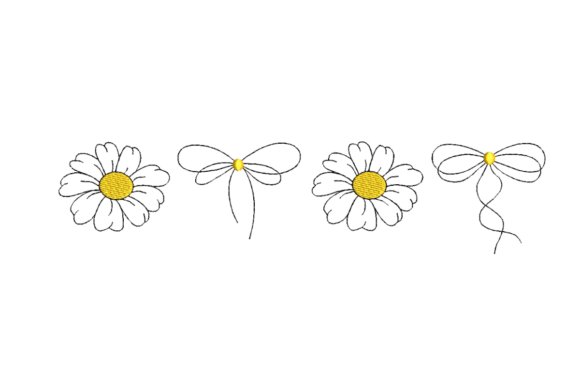
First impression? Minimal. Modern. Slightly poetic. Not farmhouse (no burlap or script), not festive (no glitter or layered petals), not rustic (no heavy stem texture). It leans into clean line work—think delicate contour stitching, open negative space, and botanical simplicity. That makes it unusually versatile for handmade product lines that value cohesion: think neutral-toned aprons, oatmeal tea towels, charcoal market bags, and ivory pillow covers. It doesn’t shout “look at me!”—it invites closer inspection. That’s gold at a crowded fair.
Where Minimal Line Flower Actually Shines (and Where It Fades)
Let’s talk real booth inventory—not theory. I tested Minimal Line Flower across six core craft fair items:
- Tote bag design: Perfect as a subtle side-embroidered accent (3–4” high) on natural canvas or linen-blend totes. Too small? It disappears. Too large? Loses its minimal charm. Ideal placement: just below the handle seam.
- Apron embroidery: Stunning above the pocket—especially on wide-wale corduroy or heavyweight cotton. The line weight holds up beautifully against texture, and the shape reads clearly from 6 feet away.
- Tea towel embroidery: A standout on flour-sack or Belgian linen. Avoid dense terry weaves—the design can blur. Stick to smooth, tightly woven surfaces where stitch definition stays crisp.
- Embroidered patch: Excellent candidate. Clean edges, no tiny interior fills, minimal thread jumps—translates well to iron-on or sew-on patches for jackets, denim, or kids’ backpacks.
- Fabric pouch & pillow cover: Works best at 3.5–5” scale. Smaller than that, and the stem or petal taper risks collapsing. Larger, and it begins to feel like illustration—not embroidery.
- Caps & curved surfaces: Use caution. The design’s gentle curves adapt better than angular motifs—but avoid placing near the bill seam or crown peak unless you’ve tested hoop alignment and fabric stretch.
What Makes This Design Sell—Beyond the Stitch
For Etsy sellers and small shop owners, Minimal Line Flower isn’t just another machine embroidery design. It’s a quiet brand amplifier. Its restraint signals intentionality—something buyers associate with handmade quality and thoughtful curation. In a sea of maximalist florals, it stands out by stepping back. That contrast draws attention *because* it’s calm.
Photography is effortless. No harsh shadows needed—natural light reveals its elegance. On mockups, it reads cleanly across devices: desktop, tablet, phone. That means stronger Etsy listings, better printable mockup conversions, and higher click-through on Instagram carousels. And yes—it’s highly repeatable for batch production. Low stitch density, no dense satin fills, minimal trims. You’ll get consistent results across 50+ tea towels without rethreading every third hoop.
Design Notes Every Embroidery Business Owner Should Check
Before cutting your first stabilizer sheet, ask yourself:
- Did I test on scrap fabric matching my final product? Especially important for textured towels or dark fabrics—contrast matters. Light thread on black linen can vanish if the line weight is too fine.
- Is my thread color enhancing—not competing with—the fabric? For example: heather gray thread on oatmeal linen adds depth; white on cream can look washed out.
- What’s the actual hoop size required? Don’t assume “small” means 4x4. Measure the design’s bounding box. Some “minimal” files sneak in long stems or asymmetrical balance that need 5x7 stability.
- Does my stabilizer match the fabric weight AND stitch density? Tear-away works for smooth cottons; cut-away adds security for stretchy knits or lightweight linens.
- Have I created at least one finished product mockup—not just a digital preview? Real-world drape, thread sheen, and fabric tension change everything.
- Is this commercial embroidery licensed? Since the description mentions “embellish t-shirts, towels, or home decor,” confirm licensing permits selling finished goods—not just personal use—before listing on Etsy or wholesale.
Careful-Use Reminders for Handmade Market Sellers
Minimal Line Flower thrives on clarity—not complexity. So avoid pushing it where clarity breaks down:
- Don’t shrink it below 2.25” total height—petals lose distinction, stems become fragile lines.
- Don’t embroider directly onto heavily textured terry cloth or looped jacquard—stitch definition blurs fast.
- Don’t assume it reads well on very dark fabric without testing thread contrast. Metallic or matte pastel threads often lift better than bright white.
- Don’t skip spacing checks—tight clusters of similar designs (e.g., three flowers on one tea towel) risk visual fatigue. Let the minimalism breathe.
Final Thought: Why This Belongs in Your Next Craft Fair Lineup
Minimal Line Flower isn’t flashy—but it’s memorable. It supports your brand voice when you sell curated, tactile, intentional handmade products. It photographs well. It stitches reliably. It appeals to customers who buy less—but choose deliberately. In the Single Flowers Plants category, it’s a breath of air: uncluttered, confident, and quietly commercial. Whether you’re an embroidery business owner scaling production or an Etsy seller hand-stitching five pillow covers before sunrise, this embroidery file delivers real-world flexibility—without compromise.
Just remember: minimal doesn’t mean low-effort. It means high-intent. Test. Compare. Refine. Then let the line speak for itself—softly, surely, and successfully.